
Why Palm Oil Is Used in Almost Every Snack and Should You Worry?

 10 Dec 2025
 8 Min Read
 Views
Views

Summary :
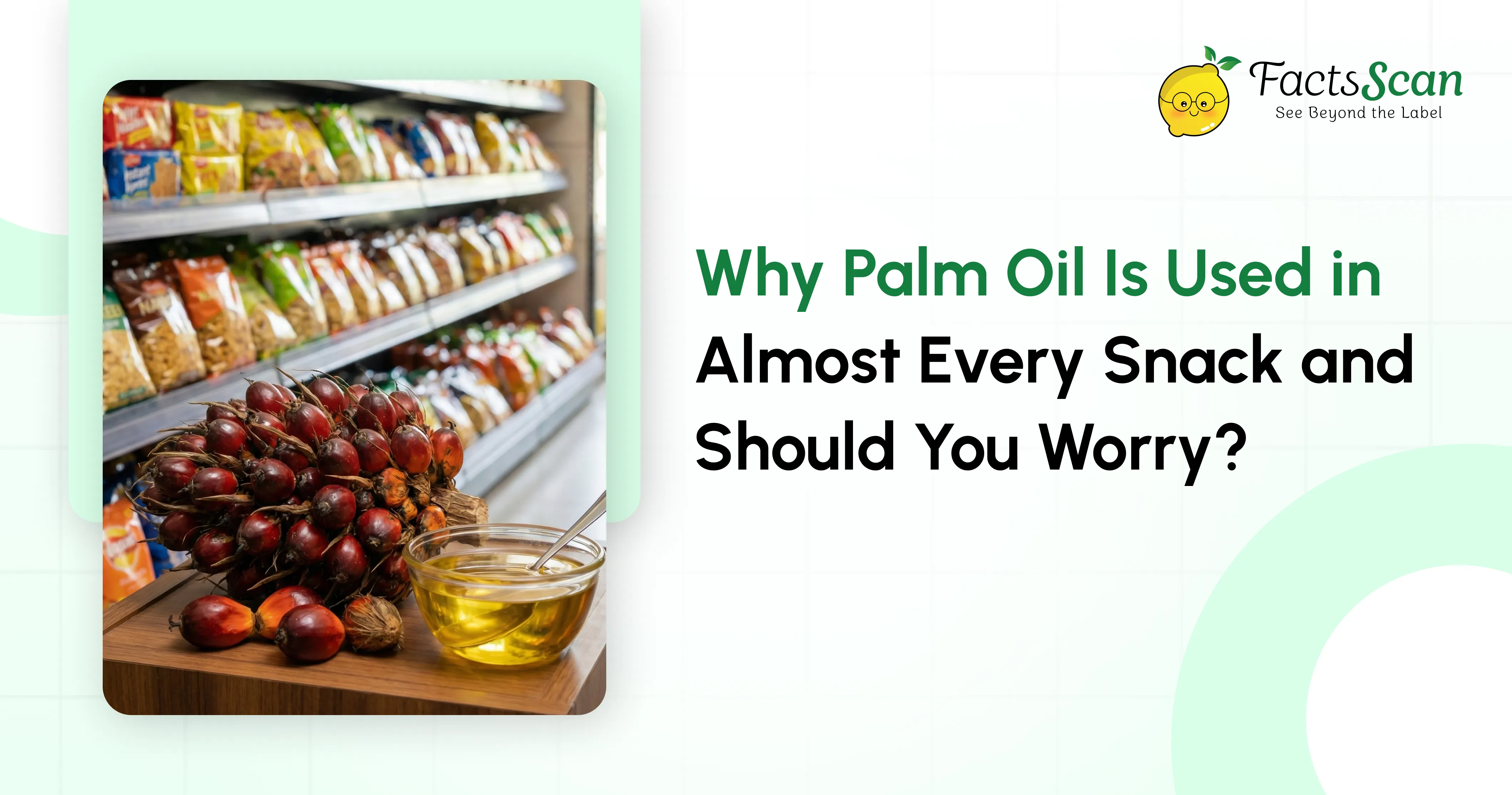
Palm oil appears in almost every packaged snack due to its cost effectiveness, heat stability, and shelf life benefits. While it contains saturated fat that may raise health concerns, understanding its forms and consumption levels helps you make informed choices.
Walk down any supermarket aisle and pick up your favorite biscuits, chips, or cookies. Check the ingredient list and chances are high that you will find palm oil or one of its variants listed there. This tropical vegetable oil has become the backbone of the packaged snack industry, appearing in products ranging from instant noodles to chocolate spreads. But what makes palm oil so popular among food manufacturers, and more importantly, should Indian consumers be concerned about its presence in nearly everything we snack on? This comprehensive guide explains the science, economics, and health aspects of palm oil to help you make better food choices.
Why Palm Oil Is Used So Widely in Packaged Snacks
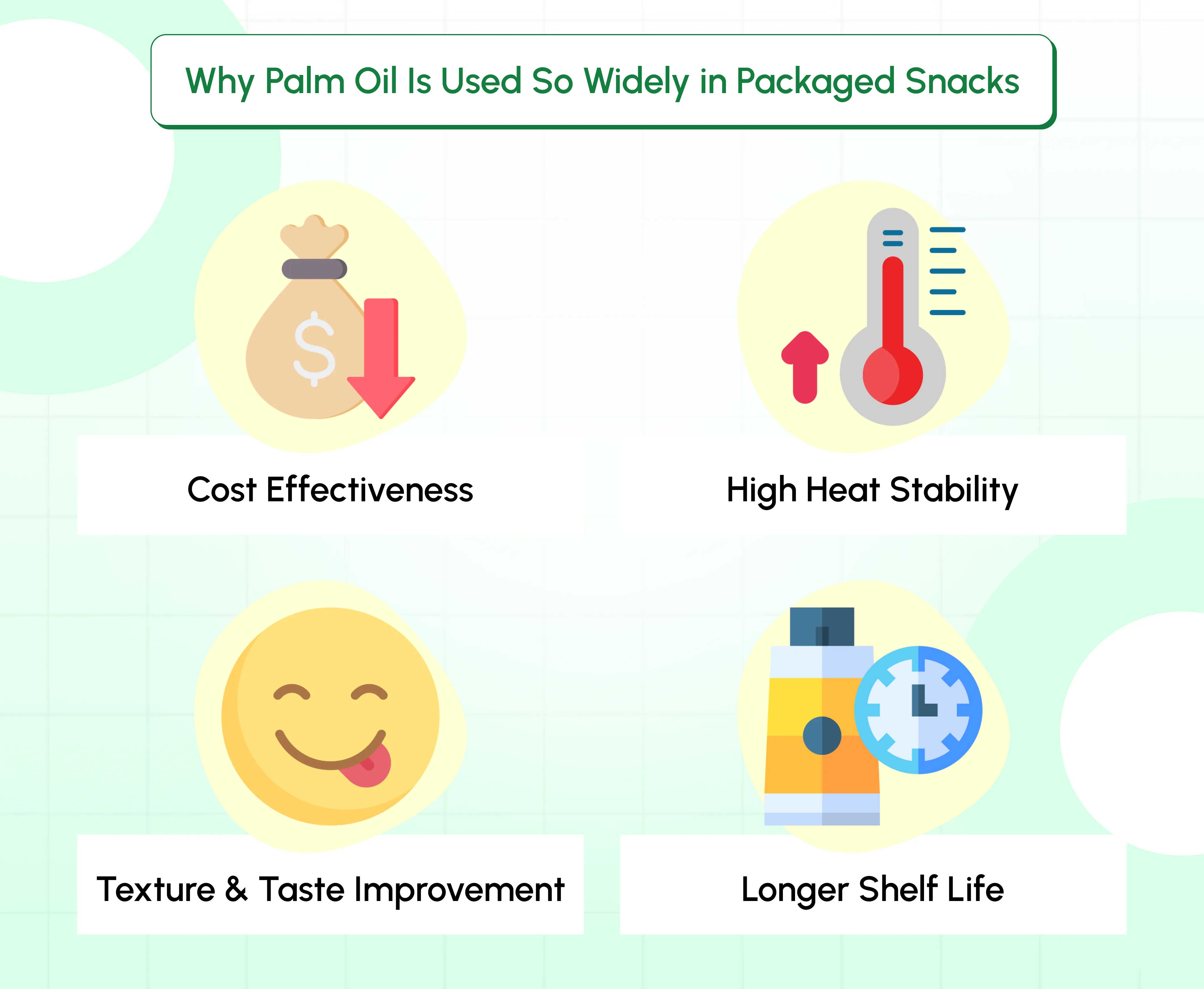
The dominance of palm oil in the food industry is not accidental. Several practical and economic factors make it the preferred choice for snack manufacturers worldwide.
1. Cost Effectiveness
Palm oil production yields significantly more oil per hectare compared to other vegetable oils. This high productivity translates to lower costs for manufacturers, allowing them to produce snacks at competitive prices. For budget conscious brands targeting mass markets, palm oil offers an economical solution without compromising on functional properties.
2. High Heat Stability
One of palm oil’s greatest advantages is its high smoke point, making it ideal for deep frying and high temperature cooking. Snacks like chips, namkeens, and fried items achieve optimal crispness when fried in palm oil. Unlike oils rich in polyunsaturated fats that break down quickly under heat, palm oil maintains its structure and does not produce off flavors during frying.
3. Texture and Taste Improvement
Palm oil’s semi solid state at room temperature gives it unique textural properties. It creates the flaky layers in biscuits, the smooth mouthfeel in chocolate coatings, and the crispy texture in fried snacks. Its neutral taste means it does not interfere with the intended flavor profile of the product, whether sweet or savory.
4. Longer Shelf Life
Palm oil is highly resistant to oxidation, which means it does not turn rancid easily. This natural stability extends the shelf life of packaged snacks without requiring excessive artificial preservatives. For products that sit on store shelves for months, this quality is invaluable for maintaining freshness and preventing spoilage.
How Palm Oil Appears on Food Labels
Identifying palm oil on ingredient lists can be tricky because manufacturers use various names to describe it or its derivatives.
1. Palmolein
This is refined palm oil that remains liquid at room temperature. Palmolein is commonly used for frying and appears frequently in chips, fried snacks, and instant noodles.
2. Hydrogenated Vegetable Fat
When you see this term, it often indicates palm oil that has undergone hydrogenation to increase its melting point and stability. This form is particularly common in baked goods and cookies.
3. Edible Vegetable Oil
This generic term can be misleading. In India, when manufacturers list “edible vegetable oil” without specifying the source, it frequently refers to palm oil or a blend that contains palm oil as a major component.
Health Concerns Related to Palm Oil Consumption
While palm oil offers functional benefits to manufacturers, its health impact on consumers has sparked considerable debate in nutrition circles.
1. Saturated Fat
Palm oil contains approximately 50% saturated fat, primarily palmitic acid. Research indicates that saturated fatty acids can increase low density lipoprotein (LDL) cholesterol levels, commonly known as bad cholesterol. Elevated LDL cholesterol is a significant risk factor for cardiovascular diseases.
2. Inflammation
Studies have found that palmitic acid, the dominant saturated fat in palm oil, may contribute more to inflammation compared to fatty acids found in olive oil or coconut oil. Chronic inflammation in the body is linked to various health conditions including insulin resistance and metabolic disorders.
3. Heart Health Considerations
The relationship between palm oil and heart disease remains debated among researchers. Some studies suggest palm oil consumption raises cholesterol levels and increases cardiovascular risk, while others indicate it performs similarly to other vegetable oils. The processing method and consumption quantity appear to play crucial roles in determining health outcomes.
Types of Snacks That Commonly Use Palm Oil
| Snack Category | Examples | Why Manufacturers Prefer Palm Oil |
|---|---|---|
| Biscuits and Cookies | Cream biscuits, butter cookies, sandwich cookies | Creates flaky texture, extends shelf life, remains stable during baking |
| Fried Snacks | Potato chips, banana chips, namkeen, bhujia | High smoke point ideal for deep frying, produces crispy texture |
| Instant Noodles | Cup noodles, packet noodles | Pre frying noodle blocks requires stable oil, palm oil prevents rancidity |
| Chocolate Products | Chocolate spreads, candy bars, chocolate coatings | Semi solid consistency at room temperature, smooth mouthfeel |
| Bakery Items | Cakes, pastries, muffins | Improves texture, provides moisture, affordable fat source |
How to Spot Palm Oil on Ingredient Labels Quickly
Reading ingredient labels carefully is your first line of defense in monitoring palm oil intake. Look for these specific terms in the ingredient list:
- Palm oil or refined palm oil
- Palmolein or palm olein
- Palm kernel oil
- Hydrogenated palm oil
- Vegetable fat or edible vegetable fat (often palm oil in India)
- Vegetable oil (when source is unspecified)
- Palm stearin
Ingredients are listed in descending order by weight. If palm oil appears within the first few ingredients, the product contains a significant amount. Using a reliable food label checking app like FactsScan can help you identify these variants instantly without memorizing all the different names.
Are All Palm Oil Products Equally Harmful
Not all palm oil is created equal. The type and processing method significantly influence its nutritional profile and potential health impact.
1. Refined
Most commercially available palm oil undergoes refining, bleaching, and deodorizing processes. This refined white palm oil has reduced levels of beneficial nutrients like vitamin E and beta carotene. Some research suggests that heating palm oil at high temperatures during refining produces glycidol, a potentially carcinogenic compound.
2. Unrefined
Red palm oil is the unrefined version that retains its natural red color from carotenoids and higher concentrations of antioxidants. Some studies indicate that red palm oil may actually help lower cholesterol due to plant sterols it contains. However, unrefined palm oil is rarely used in packaged snacks due to its distinct color and flavor.
3. High Heat Processed
Palm oil used in snacks that undergo high temperature processing, such as fried chips, may contain higher levels of oxidized compounds and glycidol fatty acid esters. Repeated heating of palm oil increases these harmful compounds further.
How Much Palm Oil Intake Is Considered Safe
Nutrition experts recommend limiting saturated fat intake to less than 10% of total daily calories. For an average adult consuming 2000 calories daily, this translates to about 22 grams of saturated fat per day. Since palm oil is 50% saturated fat, you would reach this limit with roughly 44 grams of palm oil daily. However, remember that saturated fat comes from multiple sources in your diet, not just palm oil. The key is moderation and variety in fat sources. Consuming palm oil occasionally in packaged snacks is unlikely to cause harm, but relying on palm oil rich processed foods as dietary staples may increase health risks over time.
Healthier Alternatives to Snacks Made with Palm Oil
Making smarter snack choices does not mean giving up convenience or taste. Consider these alternatives:
- Choose snacks made with olive oil, rice bran oil, or sunflower oil instead of palm oil
- Opt for baked versions of chips and namkeen rather than fried varieties
- Select whole food snacks like roasted nuts, seeds, fresh fruits, and homemade preparations
- Look for brands that use coconut oil or other healthier fat alternatives
- Prepare homemade versions of favorite snacks using oils with better fatty acid profiles
- Read labels carefully and choose products where palm oil appears lower on the ingredient list
Why Using a Food Label Checking App Like FactsScan Makes Identification Easier
Manually checking every ingredient label in a supermarket is time consuming and often confusing given the multiple names used for palm oil and its derivatives. A food label checking app like FactsScan simplifies this process significantly. By scanning the barcode or product label, you get instant information about palm oil content and its various forms. The app can flag products high in saturated fats, helping you compare similar products quickly. This technology empowers consumers to make informed choices without spending hours decoding ingredient lists or memorizing technical terms.
Conclusion
Palm oil dominates the packaged snack industry because it delivers unmatched cost savings, stability, and manufacturing convenience. While it is not inherently toxic, its high saturated fat content and potential to promote inflammation make frequent consumption a valid health concern, particularly for individuals with existing cardiovascular risk factors. The key is moderation and awareness. By learning to identify palm oil on labels, choosing snacks mindfully, and using tools like the FactsScan app to decode complex ingredient lists, you can enjoy your favorite treats while protecting your long term health. Make informed choices, read labels carefully, and remember that the occasional snack containing palm oil is unlikely to cause harm, but daily consumption adds up quickly.
Ready to make Healthier Choices?
Download FactsScan now from the Google Play Store and App Store and take charge of your food choices.





Sweety Patel

Author

Sweety Patel, founder of FactsScan, has over 14 years of experience in the development industry, where she has successfully created multiple applications. Driven by her passion for food safety and health, she launched FactsScan to provide consumers with a reliable solution to understand what they’re eating, its nutritional value, and better alternatives. With extensive research in food and nutrition, Sweety is committed to empowering people to make informed food choices for a healthier lifestyle.
Recent Articles
Best Health and Fitness Apps in India
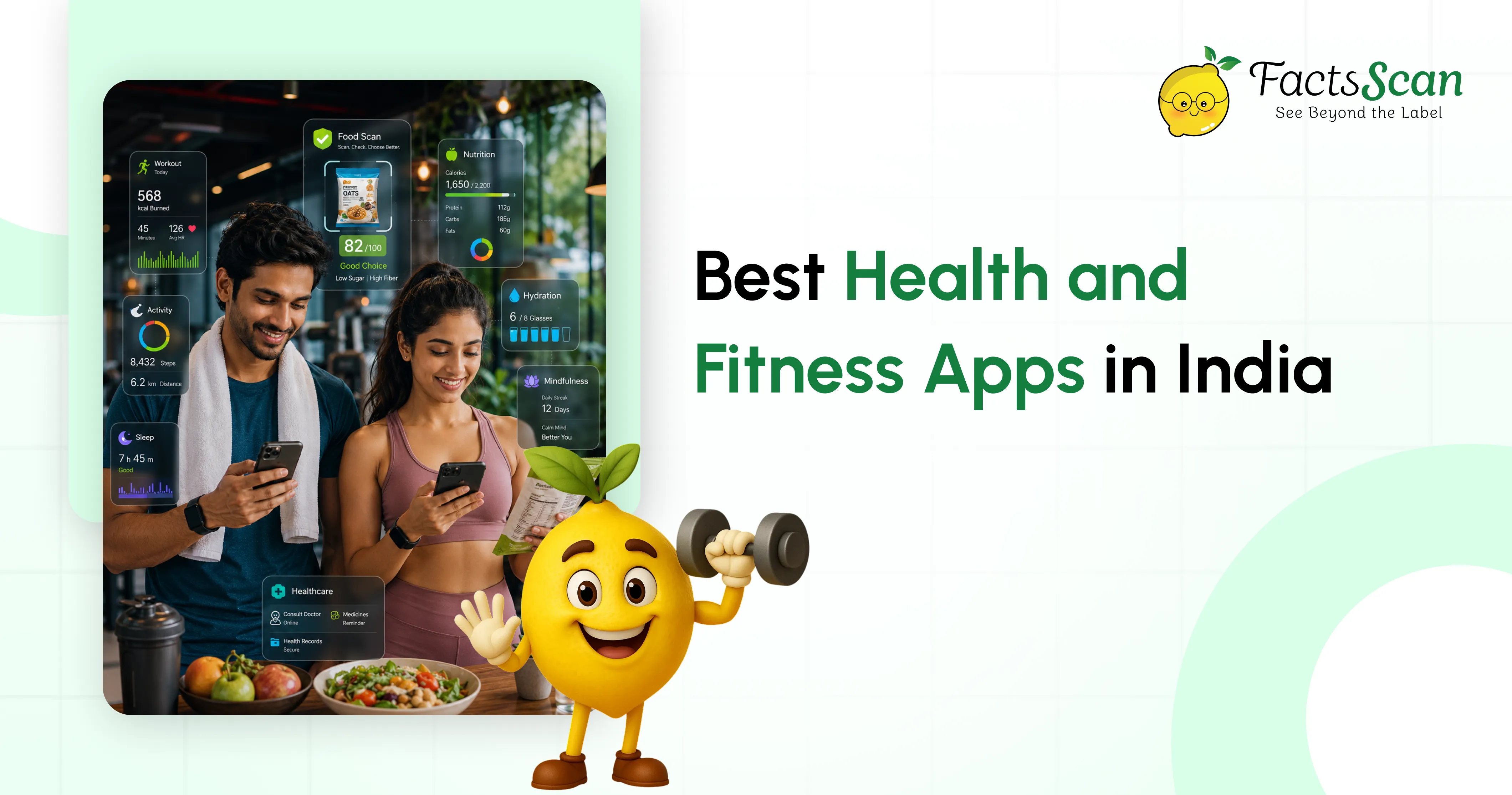
This blog covers the best health and fitness apps in India for 2026, including apps for food scanning, nutrition awareness, calorie tracking, guided workouts, meditation, healthcare support, and overall wellness. FactsScan is featured first as the top app for packaged food scanning and smarter food choices. Whether you are a beginner or a fitness enthusiast, this guide helps you find the right app for your goal.
FactsScan: The App That Suggests Good Packaged Food in Seconds
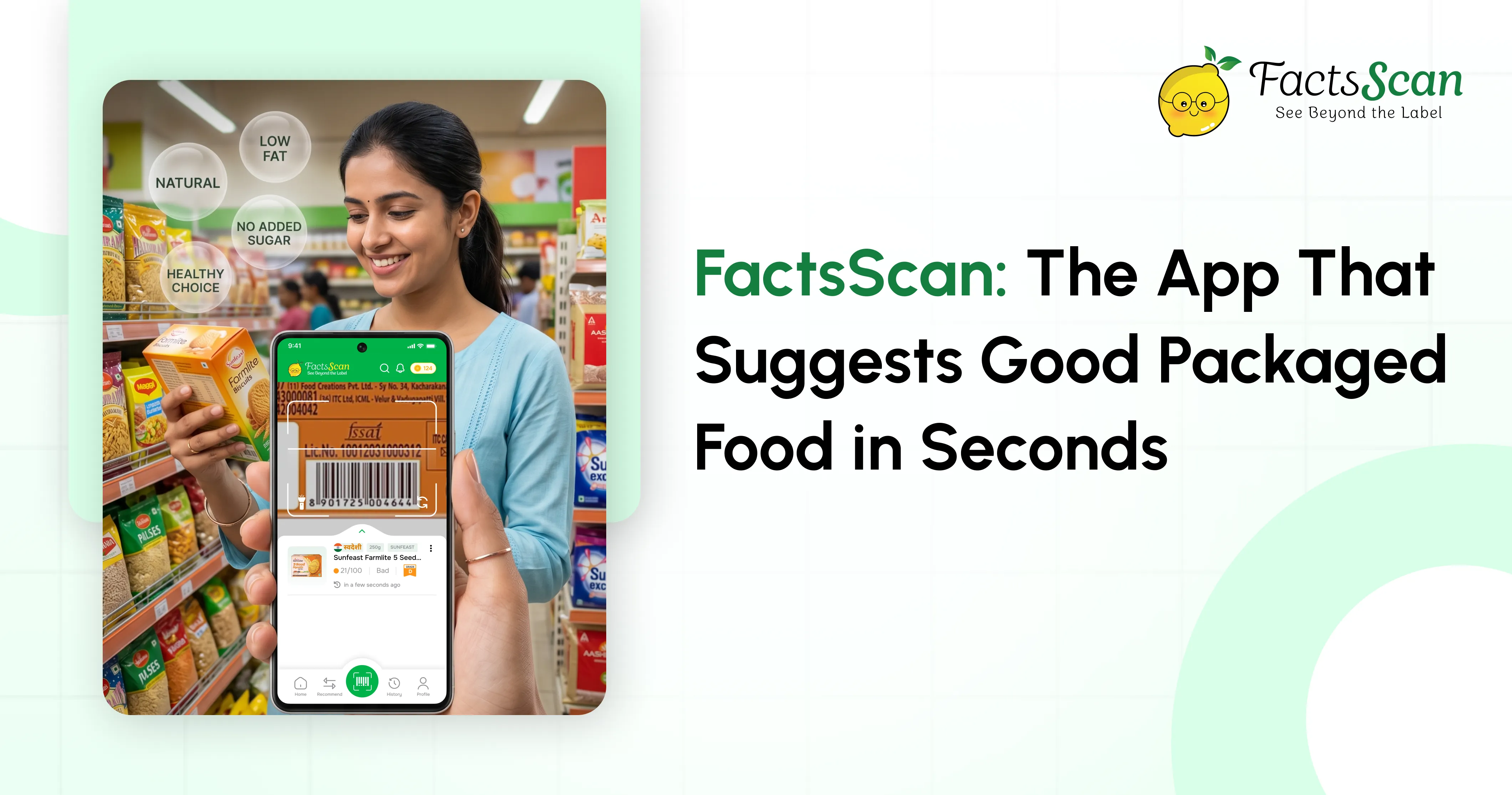
Packaged food shopping seems simple until you read labels—claims like “low fat,” “natural,” or “no added sugar” often hide a different reality in the ingredients. This confusion makes choosing better food harder for Indian shoppers, but apps like FactsScan help by instantly scanning products and revealing what’s really inside.
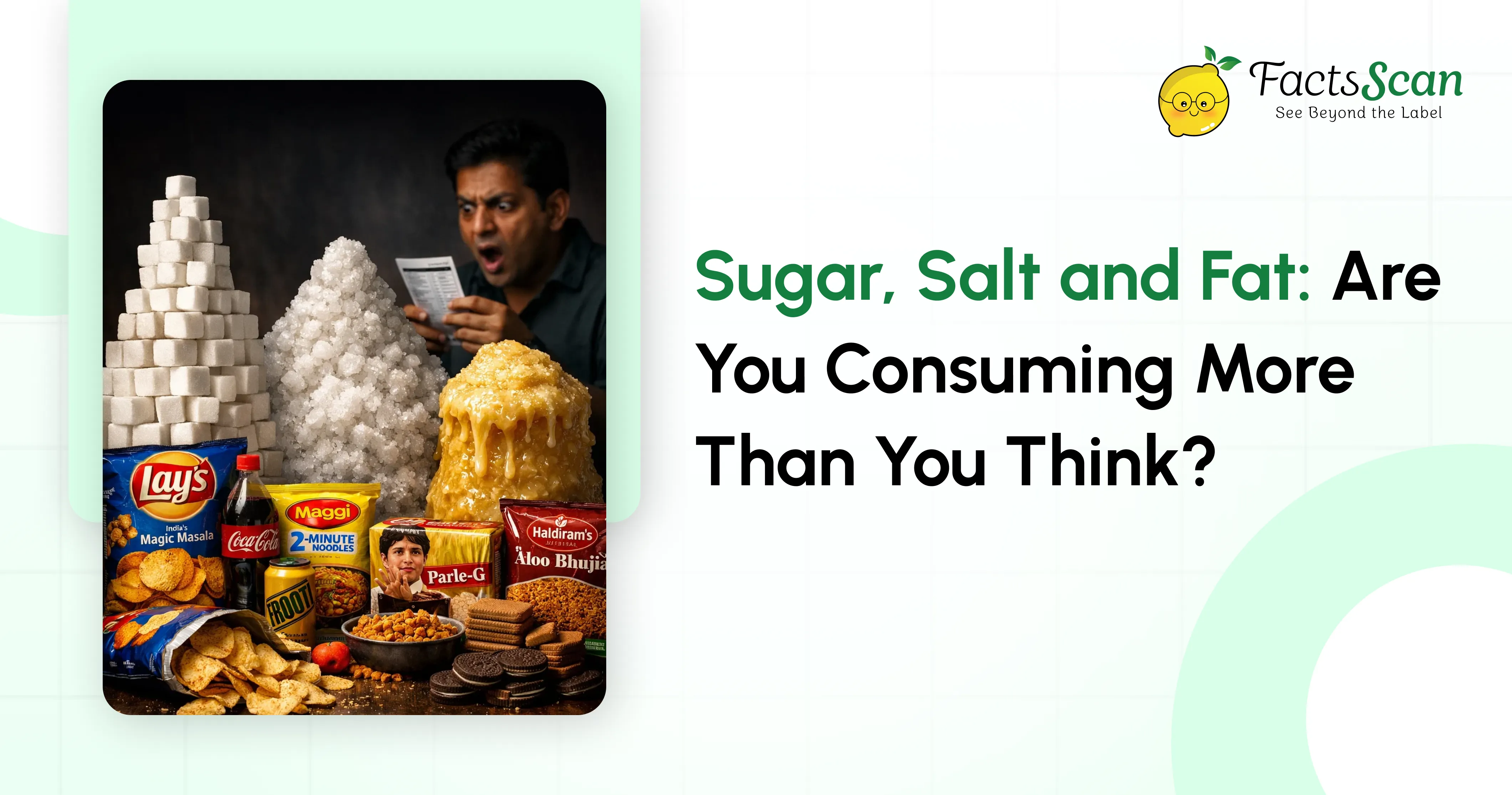
Sugar, Salt and Fat: Are You Consuming More Than You Think?
Packaged foods silently contribute excessive sugar, salt and saturated fat to your daily diet through hidden ingredients like palm oil and added sweeteners, often exceeding safe limits without your knowledge.