
Sugar, Salt and Fat: Are You Consuming More Than You Think?

 08 Jan 2026
 8 Min Read
 Views
Views

Summary :
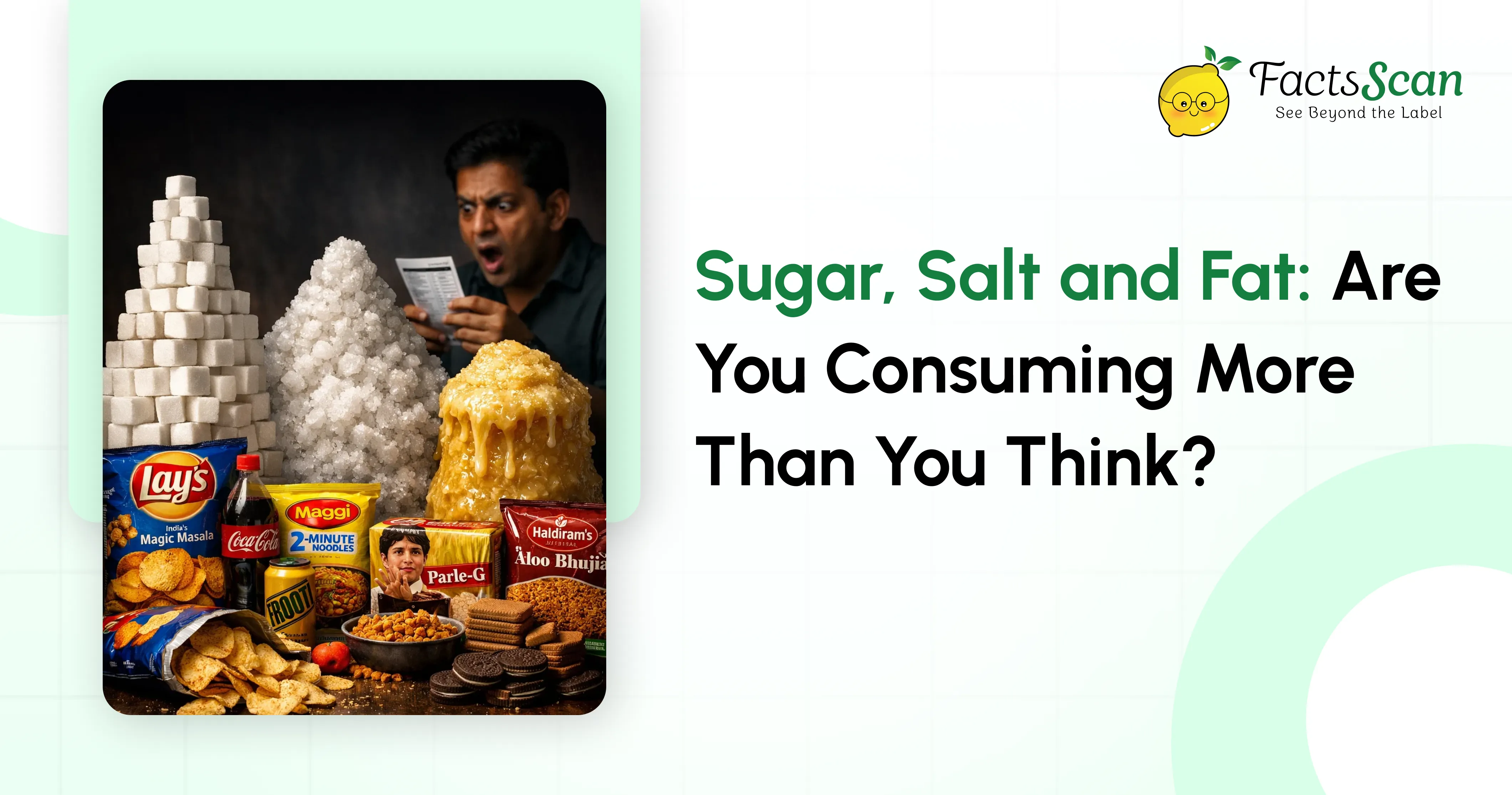
Packaged foods silently contribute excessive sugar, salt and saturated fat to your daily diet through hidden ingredients like palm oil and added sweeteners, often exceeding safe limits without your knowledge.
Introduction
Modern eating habits have shifted dramatically towards convenience and speed. Pre-packaged snacks, ready to eat meals, breakfast cereals and bottled sauces now dominate kitchen shelves across households. While these products save time, they carry a hidden cost to health. Most consumers remain unaware that their daily intake of sugar, salt and fat far exceeds recommended limits, primarily through seemingly harmless packaged foods that quietly add to the nutritional burden.
Understanding Sugar, Salt and Fat in Everyday Foods
Manufacturers rely heavily on sugar, salt and fat for compelling reasons beyond taste. These three ingredients enhance flavor, extend shelf life, improve texture and create the addictive quality that keeps consumers reaching for more. Palm oil, a saturated fat rich ingredient, appears in approximately 50% of packaged products because it is cheap, stable at room temperature and provides the desired mouthfeel. Sugar masks bitterness and balances acidity in sauces and condiments. Salt acts as a preservative while amplifying taste perception. Together, they form the foundation of processed food formulation.
Why These Ingredients Are Everywhere
Food companies add sugar to 74% of packaged foods sold in supermarkets, including products not traditionally considered sweet. The prevalence extends beyond obvious sources like desserts and sodas to bread, pasta sauces, salad dressings and even savory snacks. Palm oil and palm kernel oil contain 50% and 80% saturated fat respectively, making them major contributors to excessive fat intake when consumed regularly through multiple products throughout the day.
How Consumption Adds Up Without Realising
The average person consumes multiple packaged products daily, from morning cereal to evening snacks. Each item contributes incremental amounts of sugar, salt or fat that seem small in isolation but accumulate significantly.
Common daily accumulation pattern:
- Breakfast cereal with added sugar
- Mid-morning biscuits or granola bars
- Lunch with packaged sauce or dressing
- Evening chips or processed snacks
- Condiments used across meals
A single tablespoon of sweet chilli sauce contains 10 grams of sugar, making the sauce two-thirds sugar by composition. If someone uses ketchup generously at 4 to 5 tablespoons with a meal, they consume 35% or more of the daily recommended sugar intake from ketchup alone. These hidden sources operate silently, adding nutritional excess without triggering awareness in consumers who focus only on main meal components.
Health Risks of Excess Sugar, Salt and Fat
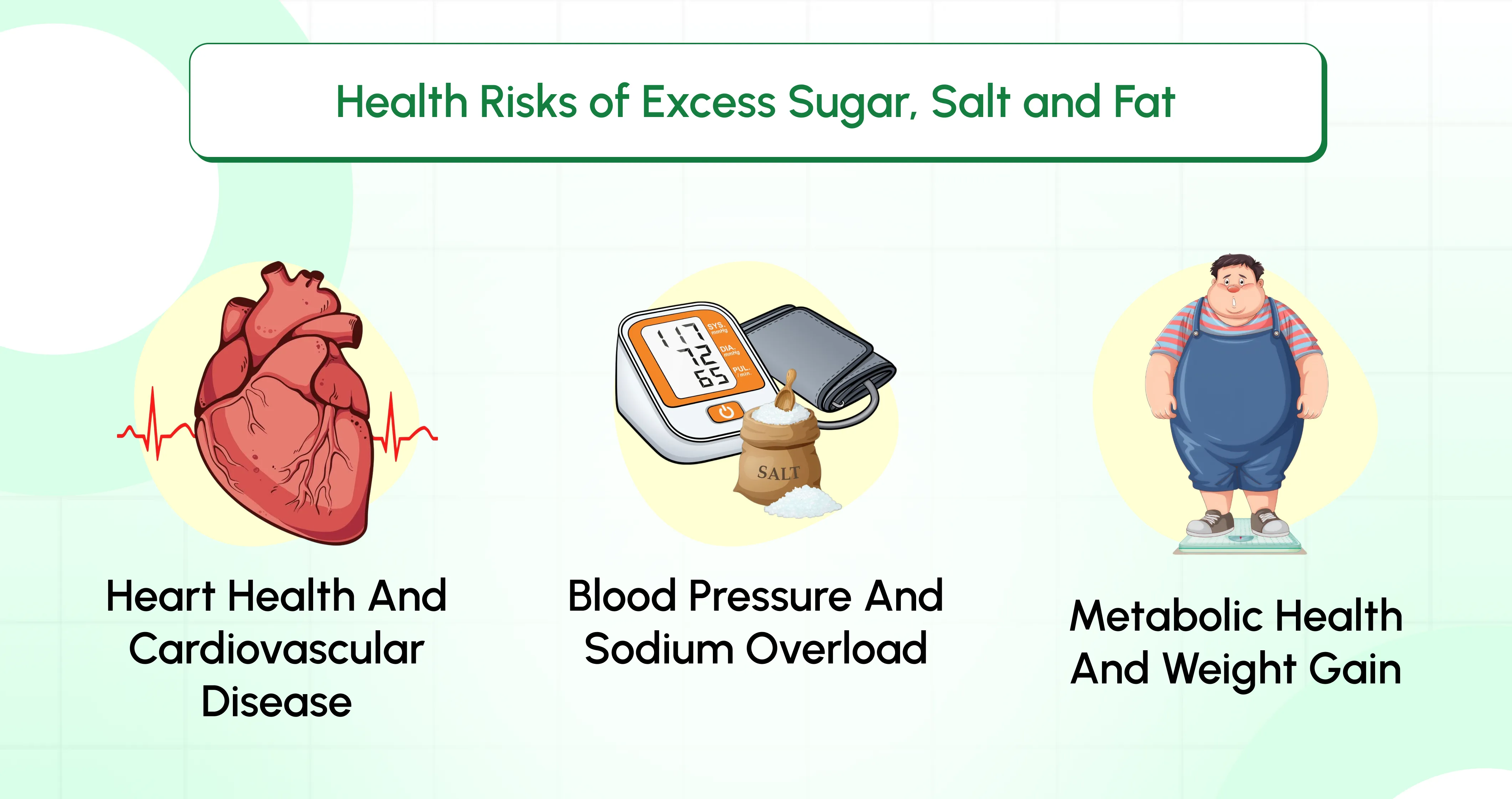
1. Heart Health and Cardiovascular Disease
Excessive saturated fat intake, particularly from palm oil, raises total cholesterol and low-density lipoprotein (LDL) cholesterol levels. LDL, known as bad cholesterol, clogs arteries and increases the risk of heart disease and stroke significantly. The World Health Organization recommends limiting saturated fat to less than 10% of total daily calories to reduce cardiovascular mortality.
2. Blood Pressure and Sodium Overload
Most people consume 9 to 12 grams of salt daily, nearly double the recommended limit of less than 5 grams per day. High salt consumption combined with insufficient potassium intake contributes directly to elevated blood pressure, a leading risk factor for heart disease and stroke. Packaged snacks marketed as healthy often fail government guidelines for sodium content while carrying misleading labels.
3. Metabolic Health and Weight Gain
Palm oil contains palmitic acid, a saturated fatty acid chain linked to inflammation, insulin resistance and fat storage more than other fatty acids. Excess sugar consumption, especially free sugars added to processed foods, drives unhealthy weight gain, obesity and tooth decay. The ICMR recommends keeping added sugar below 20 to 25 grams per day, yet average consumption far exceeds this through hidden sources in everyday foods.
Common Packaged Foods and Their Hidden Load
| Product Type | Serving Size | Sugar Content | Fat/Salt Content | Key Concern |
|---|---|---|---|---|
| Honey Smacks Cereal | 1 cup (36g) | 18g (50% by weight) | Low fat | Excessive sugar |
| Sweet Chilli Sauce | 1 tablespoon | 10g (67% sugar) | 250mg sodium | Hidden sugar and salt |
| BBQ Sauce | 1 tablespoon | 4 to 6g | Varies | Added sugars |
| Tomato Ketchup | 1 tablespoon | 4g | 145 to 190mg sodium | Sugar and salt |
| Packaged Chips | 100g serving | Low | 39g fat (palm oil) | Saturated fat |
| Honey Nut Cheerios | 1 cup (37g) | 12g (32% by weight) | Low fat | Added sugars |
Why Ingredient Lists Can Be Confusing for Consumers
Reading food labels requires understanding terminology that manufacturers use to obscure sugar, salt and fat content. Sugar appears under more than 60 different names including corn syrup, dextrose, maltose, fruit juice concentrate, agave nectar and rice syrup. Palm oil may be listed as vegetable oil, palmolein, edible vegetable fat or simply palm. This deliberate complexity makes it difficult for average consumers to identify and quantify these ingredients accurately. Products marketed as natural, wholesome or guilt-free frequently contain excessive levels despite health-oriented branding.
How to Quickly Identify High Sugar, Salt and Fat Products
Use these practical strategies when shopping:
- Check the nutrition facts panel first, not marketing claims on the front.
- Look for sugar content exceeding 5 grams per 100 grams of product.
- Identify sodium levels above 400 milligrams per 100 grams as high.
- Examine saturated fat content, avoiding products with more than 5 grams per 100 grams.
- Read ingredient lists where items appear in descending order by weight.
- Recognize that products listing sugar, palm oil or salt in the first three ingredients are heavily loaded.
Quick Reference Numbers
- Daily sugar limit: Less than 25 grams of added sugar
- Daily salt limit: Less than 5 grams (one teaspoon)
- Daily saturated fat limit: Less than 10% of total calories
Practical Steps to Reduce Daily Intake
1. Smarter Snacking Choices
Replace packaged snacks with fresh fruits, unsalted nuts, yogurt without added sugar or homemade options where you control ingredients. When purchasing packaged items, compare labels between brands and choose products with the lowest sugar, salt and saturated fat values.
2. Portion Awareness
Even when consuming packaged foods, portion control significantly reduces excess intake. Measure serving sizes instead of eating directly from packages. Limit condiments to half a tablespoon rather than multiple servings that multiply sugar and salt rapidly.
3. Cooking Balance at Home
Prepare meals from whole ingredients where possible, using fresh vegetables, whole grains, lean proteins and minimal added salt or sugar. When cooking oils are needed, choose olive oil or other unsaturated fat sources over palm oil products. Flavor foods with herbs, spices, lemon juice and vinegar instead of relying on salt and sugar.
How a Food Label Checking App Like FactsScan Helps Track Intake
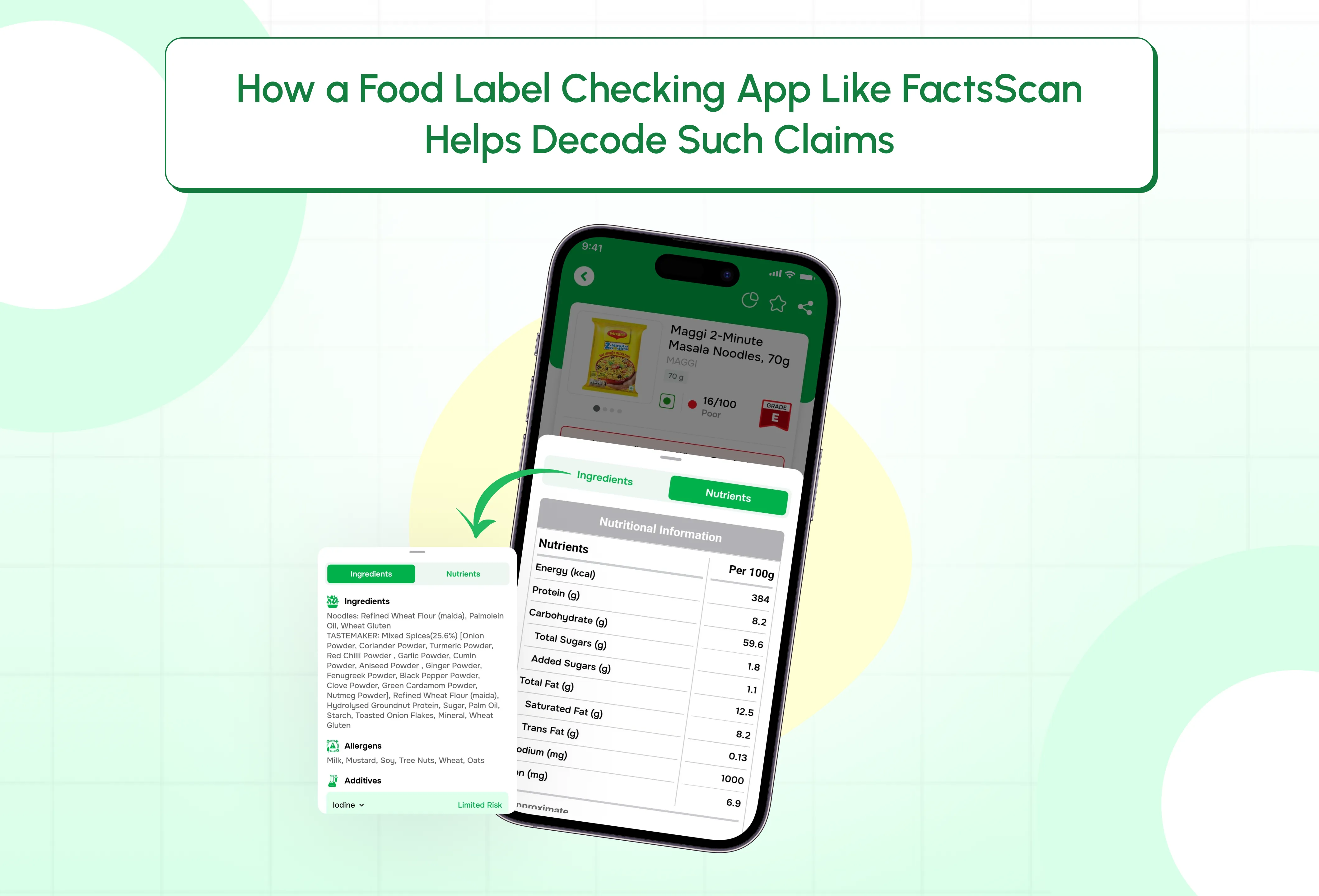
Modern technology simplifies nutrition tracking through reliable food label checking apps. FactsScan allows users to scan product barcodes instantly and receive detailed breakdowns of sugar, salt, saturated fat and other nutritional components. The app identifies hidden ingredients, compares products side by side and provides personalized recommendations based on daily limits. Using such tools empowers consumers to make informed decisions in real time while shopping, removing the guesswork from complex ingredient lists and nutrition panels.
Building Long Term Awareness at Home
Creating lasting change requires education across the entire household. Involve family members in reading labels together, understanding portion sizes and recognizing marketing tactics that promote unhealthy products as beneficial. Gradually reduce reliance on packaged foods by dedicating time weekly to meal preparation with whole ingredients. Track consumption patterns over weeks to identify where excess sugar, salt and fat enter the diet most frequently, then address those specific sources systematically.
Conclusion
The silent accumulation of excess sugar, salt and saturated fat through packaged foods poses serious health consequences that most consumers fail to recognize until chronic conditions develop. Every product you pick up from the shelf has the potential to either support your health or undermine it. The difference lies in awareness and the choices you make today.
You have the power to protect yourself and your family from hidden nutritional dangers lurking in everyday foods. Start by making label reading a non-negotiable habit every time you shop. Turn over every package, examine the nutrition facts panel and scrutinize the ingredient list before it enters your shopping cart. Question marketing claims that promise health while hiding excessive sugar, salt and palm oil behind appealing packaging.
Take control with technology designed for your wellbeing. Download the FactsScan app and make it your regular shopping companion. Scan product barcodes before purchasing to instantly reveal what manufacturers do not want you to notice easily. Use the app to compare similar products and consistently choose options with lower sugar, salt and saturated fat content. Let FactsScan decode confusing ingredient lists and empower you with clear, actionable information that transforms how you feed your household.
Your health journey begins with one simple scan, one informed choice and one package left on the shelf in favor of a better alternative. Make that choice today. Read labels actively, use FactsScan regularly and build a healthier future for yourself and everyone you care about. The change starts now, with you.
Ready to make Healthier Choices?
Download FactsScan now from the Google Play Store and App Store and take charge of your food choices.





Sweety Patel

Author
Sweety Patel, founder of FactsScan, has over 14 years of experience in the development industry, where she has successfully created multiple applications. Driven by her passion for food safety and health, she launched FactsScan to provide consumers with a reliable solution to understand what they’re eating, its nutritional value, and better alternatives. With extensive research in food and nutrition, Sweety is committed to empowering people to make informed food choices for a healthier lifestyle.
Recent Articles
Sugar, Salt and Fat: Are You Consuming More Than You Think?
Packaged foods silently contribute excessive sugar, salt and saturated fat to your daily diet through hidden ingredients like palm oil and added sweeteners, often exceeding safe limits without your knowledge.
Vegan, Gluten-Free, Sugar-Free: Marketing or Reality?
Vegan, gluten free and sugar free labels attract health conscious shoppers, but these marketing claims do not guarantee nutritional quality and often hide excessive palm oil, salt, saturated fat and artificial additives.
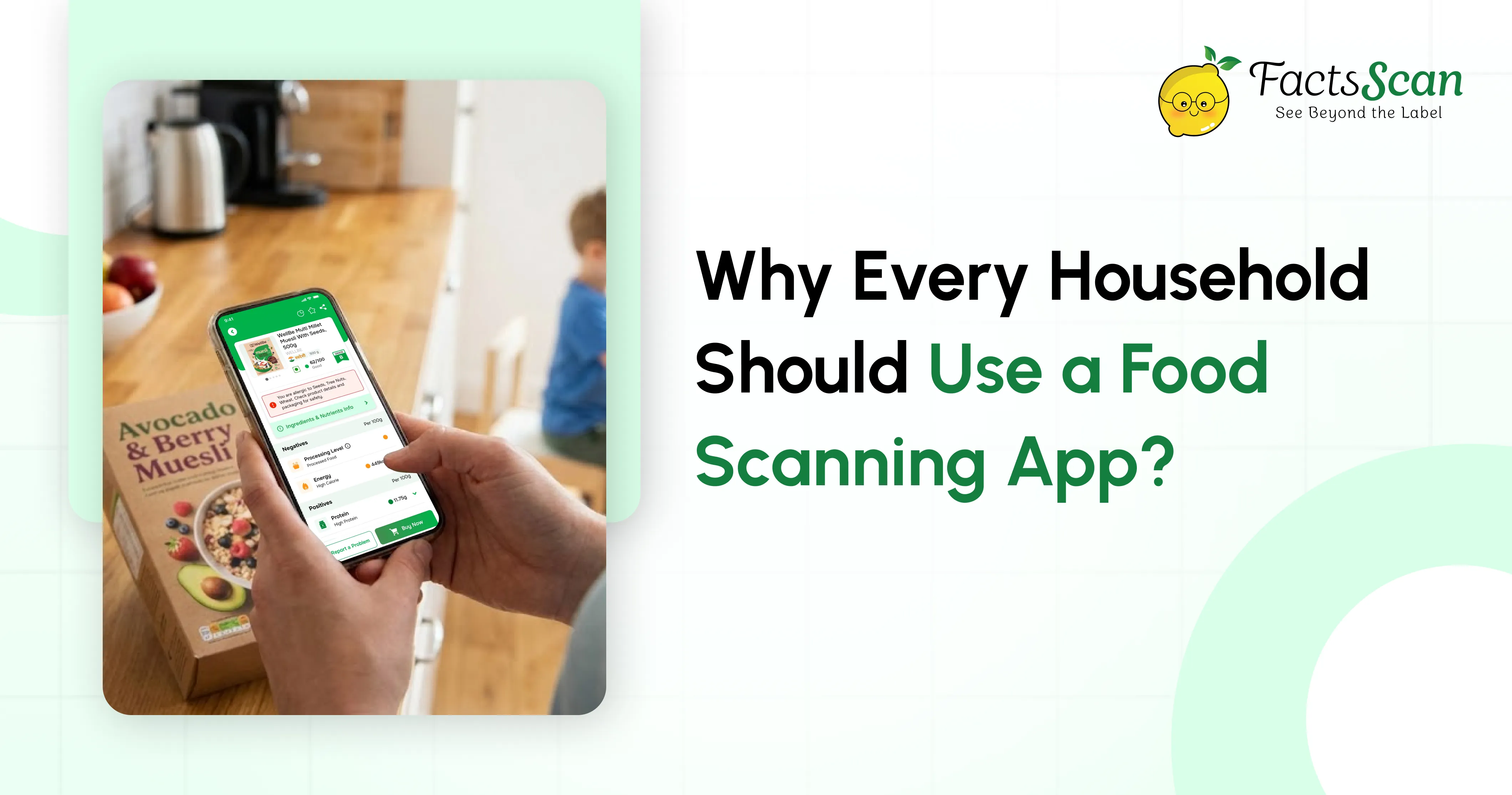
Why Every Household Should Use a Food Scanning App?
Modern households face hidden risks in packaged foods like palm oil, excess salt, and allergens. A food scanning app helps families make safer, informed choices by instantly decoding complex labels and identifying harmful ingredients before consumption.