
How to Spot Ingredient Red Flags Without Googling Each One

 30 Jan 2026
 9 Min Read
 Views
Views

Summary :
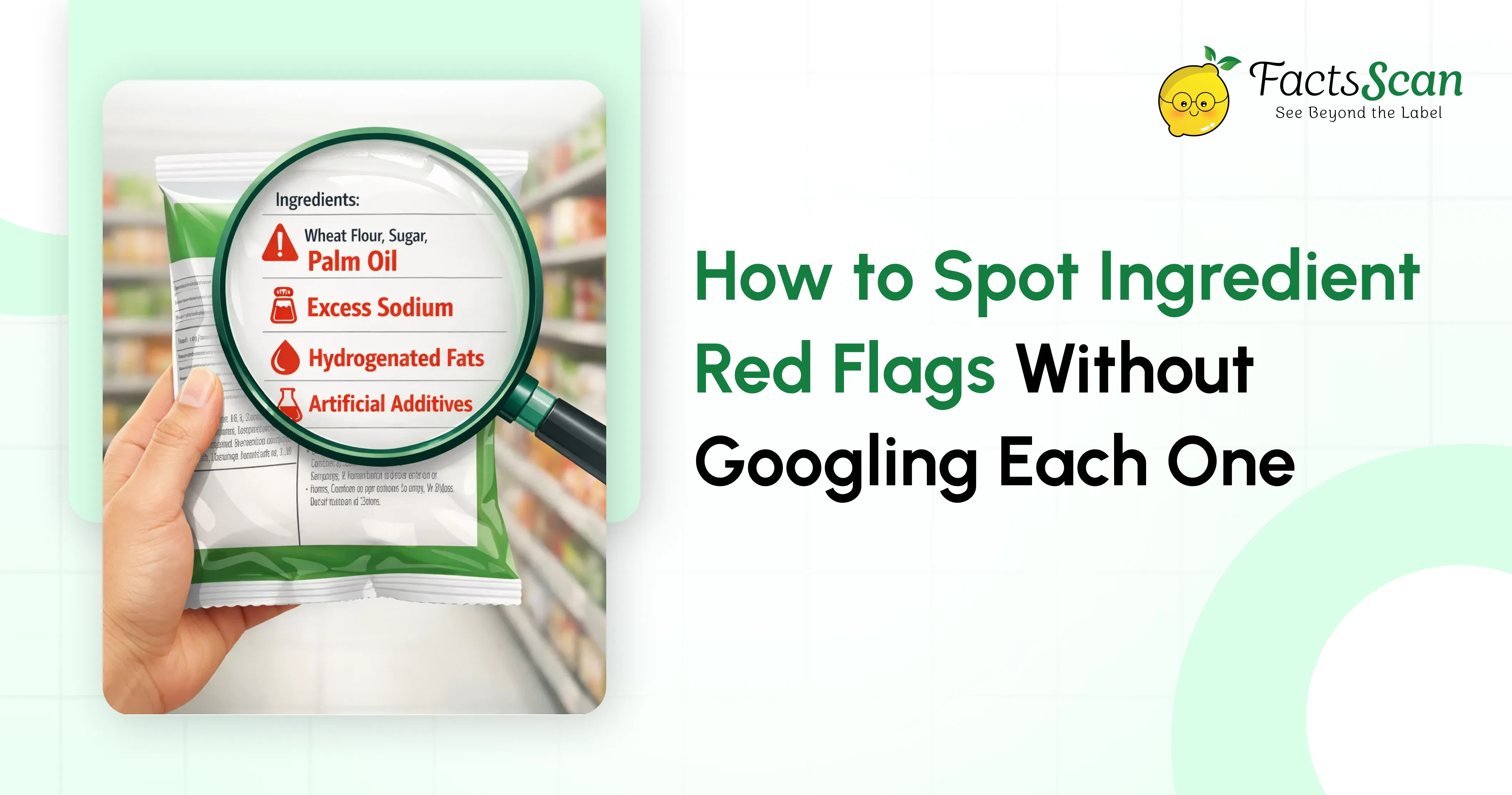
Learn to identify problematic ingredients like palm oil, excess sodium, hydrogenated fats and artificial enhancers on food labels without researching every term. Master quick scanning techniques to make healthier packaged food choices confidently.
Introduction
Standing in the supermarket aisle, you flip a packet to read the ingredient list. Within seconds, your eyes glaze over. Maltodextrin, disodium guanylate, partially hydrogenated vegetable oil—what do these even mean? You want to make healthier choices, but decoding ingredient labels feels like reading a chemistry textbook. Most consumers face this exact frustration every single day.
The truth is, you don’t need to memorize every complex chemical name or google each ingredient while shopping. Once you understand the patterns and recognize the common red flags, you can quickly assess whether a product deserves a spot in your cart. This skill empowers you to protect your health without spending hours researching online.
What Ingredient Red Flags Actually Mean?
Ingredient red flags are specific components in packaged foods that indicate potential health concerns when consumed regularly. These include excessive sodium, harmful fats, artificial additives, and heavy processing indicators. Red flags don’t necessarily mean a food is toxic, but they signal that the product may contribute to health issues like heart disease, obesity, high blood pressure, or metabolic disorders when eaten frequently.
Understanding these markers helps you distinguish between occasional treats and everyday staples. A snack with multiple red flags might be acceptable once a month, but relying on such products daily can compromise your long term wellbeing.
Why Packaged Food Labels Are Difficult to Understand
Food manufacturers aren’t always motivated to make labels simple. Complex ingredient names, scientific terminology, and strategic listing order can obscure what’s really inside the package. Ingredients appear in descending order by weight, but this doesn’t tell you about concentration or quality.
Additionally, single unhealthy ingredients often appear under multiple names. Sugar alone has over 50 different names on labels. Palm oil might be listed as vegetable fat, palm kernel oil, or palmitate. Sodium hides behind terms like monosodium glutamate, sodium benzoate, or disodium inosinate. This fragmentation makes it harder to recognize how much of a problematic ingredient you’re actually consuming.
The technical language also creates a knowledge barrier. Most shoppers lack formal nutrition training, so terms like “hydrolyzed” or “interesterified” mean nothing to them. Manufacturers know this, and some exploit the confusion to make ultra processed foods appear more acceptable.
Common Ingredient Patterns That Signal Red Flags
1. Repeated Fats
When you see multiple fat sources listed, especially refined oils, this indicates heavy processing and potential trans fat content. Watch for combinations like palm oil plus hydrogenated vegetable oil plus interesterified fat. Each may appear in small amounts individually, but together they constitute a significant portion of the product.
2. High Sodium Indicators
Sodium compounds cluster together in many packaged foods. You might spot sodium chloride (regular salt), monosodium glutamate, sodium benzoate, disodium phosphate, and sodium nitrite all in one product. Each contributes to your total sodium intake, which quickly exceeds recommended daily limits.
3. Artificial Flavour and Enhancer Clues
Generic terms like “artificial flavouring,” “natural flavouring,” or “spices” often mask multiple synthetic chemicals. Specific enhancers to watch include monosodium glutamate (MSG), disodium guanylate, disodium inosinate, and autolyzed yeast extract. These compounds intensify taste perception, making heavily processed foods more addictive.
Red Flag Ingredients to Watch for in Everyday Packaged Foods

1. Palm Oil and Its Variants
Palm oil production drives deforestation and contains high levels of saturated fat. It appears as palm oil, palm kernel oil, palmitate, palmate, or simply “vegetable fat.” Regular consumption increases LDL cholesterol and cardiovascular disease risk.
2. Hydrogenated Fats
Partially hydrogenated oils contain trans fats, which are strongly linked to heart disease. Even “fully hydrogenated” fats pose concerns because they’re highly processed and calorie dense. Look for hydrogenated vegetable oil, partially hydrogenated soybean oil, or interesterified fats.
3. High Salt Compounds
Beyond table salt, watch for monosodium glutamate, sodium benzoate, sodium nitrite, sodium phosphate, and sodium citrate. Each adds sodium while serving preservation or flavour enhancement purposes. Excessive sodium intake elevates blood pressure and strains kidney function.
4. Flavour Enhancers
Monosodium glutamate, disodium guanylate, disodium inosinate, and hydrolyzed vegetable protein amplify taste artificially. While not necessarily dangerous in small amounts, their presence indicates the product needs chemical assistance to taste good, suggesting poor quality base ingredients.
Ingredient Red Flags and What They Indicate
| Ingredient Category | Common Names | Health Concern |
|---|---|---|
| Palm Oil Variants | Palm oil, palm kernel oil, palmitate, vegetable fat | High saturated fat, cardiovascular risk, environmental impact |
| Hydrogenated Fats | Partially hydrogenated oil, interesterified fat | Trans fats, increased LDL cholesterol, heart disease |
| Excess Sodium | Monosodium glutamate, sodium benzoate, sodium nitrite | High blood pressure, kidney strain, water retention |
| Artificial Sweeteners | Aspartame, sucralose, acesulfame potassium | Metabolic disruption, gut microbiome changes |
| Flavour Enhancers | Disodium guanylate, disodium inosinate, autolyzed yeast | Masks poor ingredient quality, potential sensitivity reactions |
| Preservatives | BHA, BHT, TBHQ, sodium benzoate | Oxidative stress, allergic reactions, long term toxicity concerns |
| Refined Sugars | High fructose corn syrup, maltodextrin, dextrose | Blood sugar spikes, weight gain, diabetes risk |
How to Spot Ingredient Red Flags Quickly Without Googling

1. Ingredient Order
The first three to five ingredients make up the bulk of the product. If you spot red flags here, the product is predominantly built on problematic components. A breakfast cereal listing sugar, palm oil, and maltodextrin as the top three ingredients is essentially sweetened fat with minimal nutrition.
2. Count of Similar Ingredients
When manufacturers split one ingredient into multiple forms, they can list it lower on the label. Count how many times sugar appears (dextrose plus maltodextrin plus corn syrup) or how many sodium compounds exist. If you count four or more variations, that category dominates the formula.
3. Comparing Similar Products
Place two competing brands side by side. The one with the shorter ingredient list and fewer chemical names usually indicates less processing. A tomato sauce with tomatoes, olive oil, garlic, and salt beats one with tomato concentrate, high fructose corn syrup, modified corn starch, artificial flavouring, and six sodium compounds.
Marketing Terms That Often Hide Ingredient Red Flags
Clever marketing phrases distract consumers from actual ingredient quality. “Made with real fruit” might mean 2% fruit juice concentrate mixed with sugar and artificial colours. “Natural flavours” sounds wholesome but legally includes hundreds of synthetic chemicals derived from natural sources through heavy processing.
“Multigrain” suggests health but doesn’t specify whole grains. Products can contain refined wheat, corn, and rice flour (all processed grains) and still use this term. Similarly, “fortified with vitamins” often means manufacturers stripped nutrients during processing, then added synthetic versions back.
“Low fat” products frequently compensate with added sugars and sodium to maintain palatability. “Sugar free” items replace sugar with artificial sweeteners or sugar alcohols, which bring their own concerns. Always read past the front label claims and examine the actual ingredient list.
Practical Tips to Build Ingredient Awareness Over Time
- Start with products you buy weekly and learn their ingredient patterns before exploring new items.
- Focus on mastering one red flag category each month rather than trying to learn everything simultaneously.
- Photograph ingredient lists of products you’re researching so you can compare them at home without time pressure.
- Choose one meal category (breakfast, snacks, beverages) and audit every product in your pantry.
- Join online communities or forums where people share ingredient insights and product recommendations.
- Create a personal “approved brands” list once you’ve vetted products thoroughly
- Teach children to spot basic red flags like palm oil or excess sugar to build family wide awareness.
- Set a reminder to review your pantry quarterly as formulations change and new products enter the market.
- Notice how your body feels after eating heavily processed foods versus minimally processed alternatives.
- Reward yourself for choosing cleaner products by tracking how many red flag items you’ve eliminated monthly.
How a Food Label Checking App Like FactsScan Simplifies Label Reading

Technology now eliminates the guesswork entirely. A reliable food label checking app like FactsScan allows you to scan product barcodes instantly and receive comprehensive ingredient analysis. Within seconds, you see which red flags appear, their concentration levels, and why they matter for your health.
FactsScan evaluates products against nutrition science standards and highlights palm oil, excess sodium, artificial additives, and other concerns automatically. You don’t need to memorize chemical names or decode industry jargon. The app does the heavy lifting, presenting information in simple, actionable language.
This technology proves especially valuable when shopping with time constraints or in unfamiliar product categories. You gain confidence in your purchasing decisions without sacrificing convenience. Apps like FactsScan bridge the gap between nutrition expertise and everyday consumers, democratizing access to food safety information.
Conclusion
Reading ingredient labels no longer requires a nutrition degree or constant internet searches. By recognizing patterns like repeated fats, clustered sodium compounds, and generic flavouring terms, you can quickly assess packaged foods in store aisles. Understanding that palm oil, hydrogenated fats, excessive salt, and artificial enhancers signal potential health concerns empowers you to make informed decisions.
Marketing claims will continue to obscure reality, but your trained eye now sees through the noise. Compare products, count ingredient variations, and prioritize items with shorter, recognizable lists. Build this skill gradually, focusing on the foods you purchase most frequently.
Stop guessing about what’s really in your food. Read labels with confidence, recognize ingredient red flags instantly, and take control of your family’s nutrition. Download the FactsScan app today to scan products while shopping and receive expert ingredient analysis in seconds. Your health deserves clarity, and every informed choice moves you toward a cleaner, healthier lifestyle.
Ready to make Healthier Choices?
Download FactsScan now from the Google Play Store and App Store and take charge of your food choices.





Sweety Patel

Author

Sweety Patel, founder of FactsScan, has over 14 years of experience in the development industry, where she has successfully created multiple applications. Driven by her passion for food safety and health, she launched FactsScan to provide consumers with a reliable solution to understand what they’re eating, its nutritional value, and better alternatives. With extensive research in food and nutrition, Sweety is committed to empowering people to make informed food choices for a healthier lifestyle.
Recent Articles
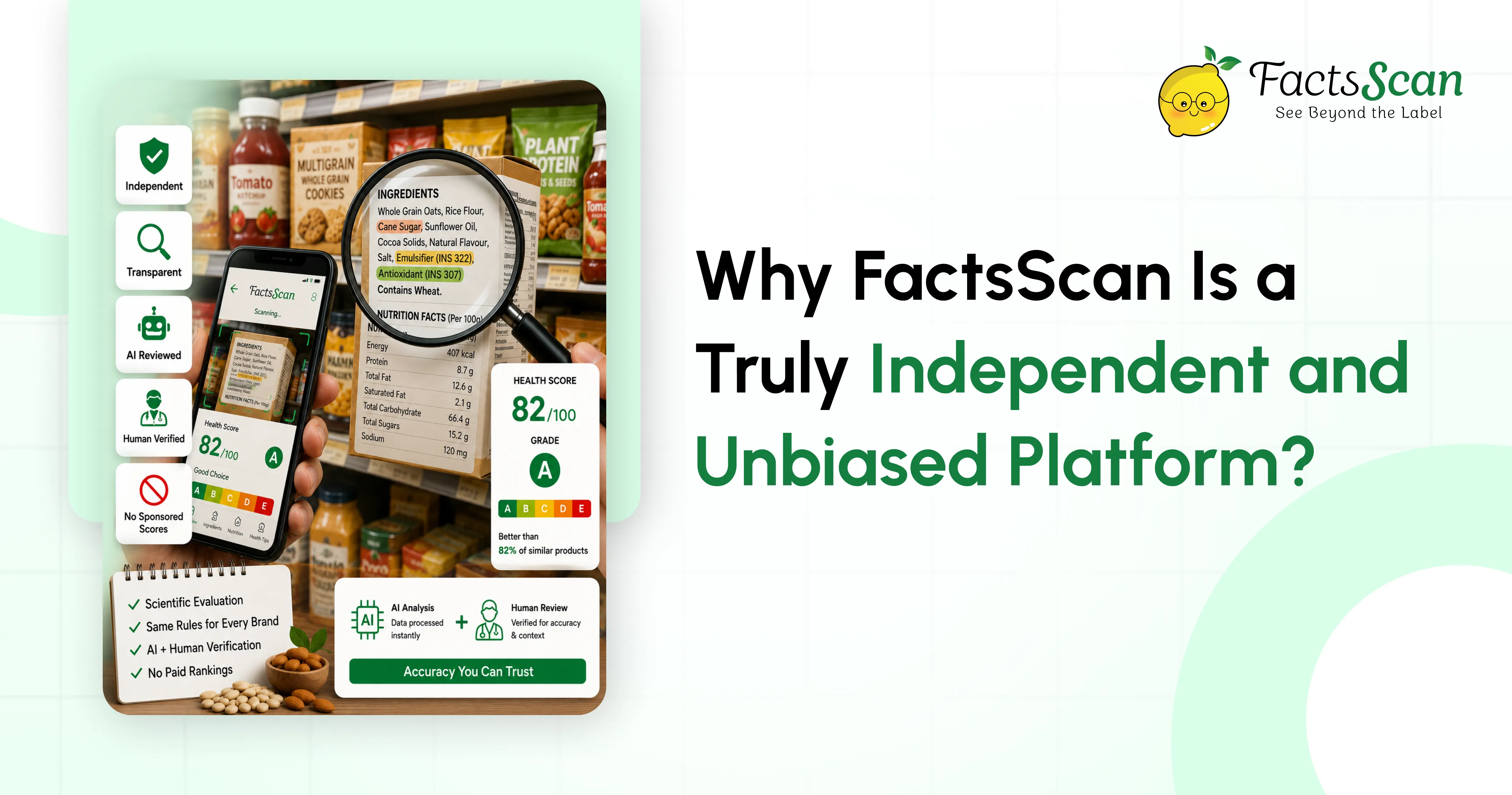
Why FactsScan Is a Truly Independent and Unbiased Platform?
FactsScan is built to provide transparent, unbiased, and evidence-based food information without favoring any brand or manufacturer. Every product is evaluated using consistent scientific criteria, helping users understand ingredients, nutrition, additives, and overall health impact so they can make informed and confident food choices.

FactsScan Celebrating 50,000 Downloads on Play Store: A Step Toward Healthier Choices
FactsScan has hit a major milestone with 50,000 downloads on the Play Store! This achievement reflects the growing awareness and commitment of users toward making healthier food choices. The app continues to empower families and individuals to understand what’s in their food and make smarter, informed decisions every day.

Best AI Food Scanner App: How Smart Technology Is Changing the Way We Eat
AI food scanner apps use advanced technology to decode complex food labels instantly. They help consumers identify hidden ingredients, allergens, and unhealthy additives, making grocery shopping safer and more informed for everyone.